Shared Challenges and Group Rewards: How Poker Platforms Foster Collective Engagement

Online poker platforms have developed systems that link individual play to group objectives, and these mechanics create sustained participation across large player bases. Shared challenges require multiple users to complete tasks together while group rewards distribute benefits based on collective progress, and operators track these interactions through detailed analytics that show measurable lifts in session length and return rates.
Mechanics Behind Shared Challenges
Platforms design missions where players contribute to common goals such as accumulating hands played or reaching combined pot sizes, and these tasks often run over set periods that align with major tournament calendars. In June 2026 several operators rolled out summer series challenges that grouped participants into regional teams, with progress bars updating in real time so everyone could see how their results fed into the overall total. The structure encourages repeated logins because unfinished team targets carry over and create immediate next steps for returning users.
Leaderboards that reset weekly or monthly sit alongside these missions, yet they incorporate team elements where individual rankings feed into squad standings. This dual visibility keeps both competitive and collaborative pressures active at once, and data from platform reports indicates that users in team formats record higher average hands per session than those in solo leaderboards alone.
Group Reward Structures and Distribution
Rewards arrive as cash bonuses, tournament tickets or loyalty points that unlock only after a team threshold is met, and the distribution model often tiers payouts so top contributors receive larger shares while every participant still gains something. Such systems reduce the isolation common in heads-up or sit-and-go formats because players monitor chat channels and progress dashboards to coordinate efforts. Operators note that these reward triggers coincide with spikes in friend referrals and table invitations, which expand the active user pool without additional marketing spend.
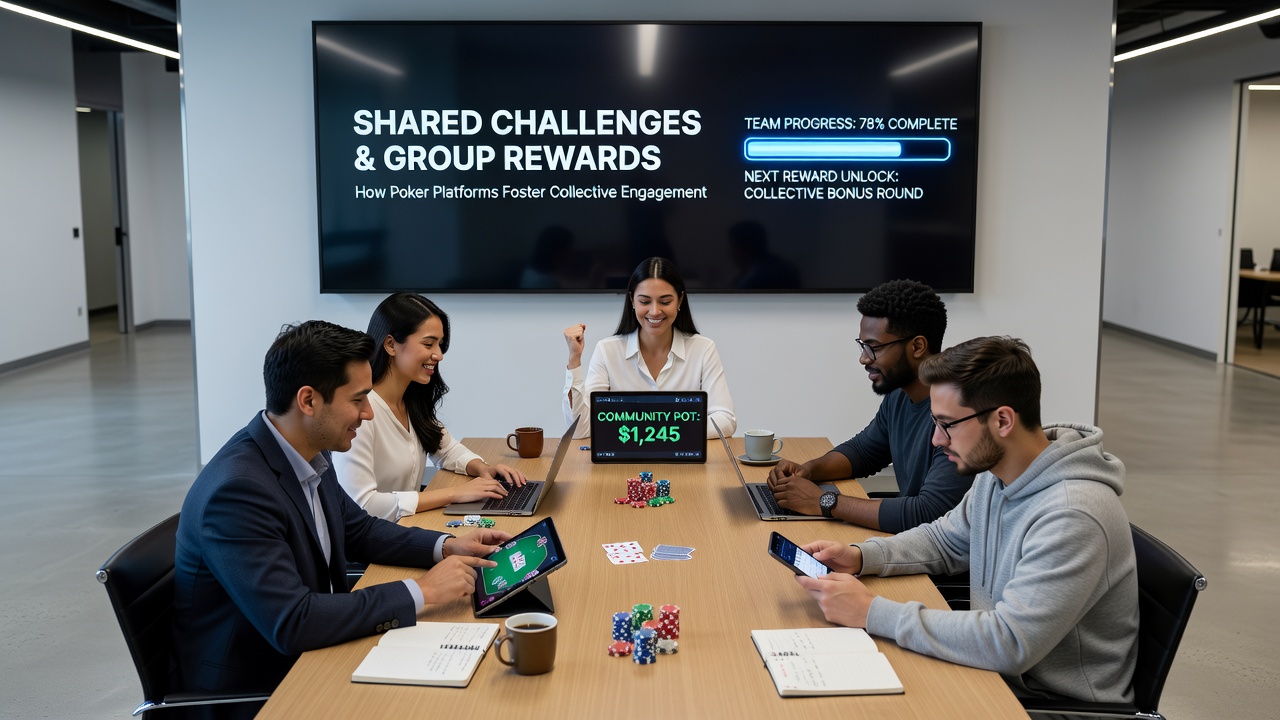
Some platforms layer in seasonal events where group rewards scale according to total participation volume, and June 2026 examples included progressive prize pools that grew with each additional team member who joined mid-event. The approach mirrors mechanics used in other digital entertainment sectors, yet poker platforms add the variable of skill-based contributions that make outcomes less predictable than pure chance games.
Retention Patterns and Platform Data
Research from the University of Nevada's gaming studies center shows that poker sites employing team-based challenges experience retention rates roughly 18 percent higher over six-month windows compared with platforms that rely solely on individual promotions. The study tracked anonymized account activity across multiple operators and found that players who joined at least one group event returned for an average of 2.4 additional sessions per week in the following month.
European operators have adopted similar frameworks, and figures released by the European Gaming and Betting Association highlight that collective reward programs correlate with reduced churn during off-peak hours. Players who engage with shared objectives tend to extend their play into traditionally quieter times because team deadlines create external motivation beyond personal bankroll management.
Implementation Across Different Markets
North American platforms emphasize large-scale charity team events that tie group rewards to donation totals, while Asian operators focus on daily micro-challenges that reset every 24 hours and reward consistent small contributions. These regional differences reflect local regulatory environments and player preferences, yet the core loop of shared targets feeding group payouts remains consistent. Observers note that cross-border tournament series increasingly adopt unified team structures so users from multiple jurisdictions can participate without separate accounts.
Conclusion
Poker platforms continue to refine these collective systems by testing new challenge formats and adjusting reward tiers based on completion data. The combination of shared objectives and distributed incentives produces measurable engagement lifts that individual promotions alone have not replicated at the same scale, and operators monitor these metrics closely as they plan future feature updates.