Cashback Systems and Player Loyalty Patterns in Digital Table Gaming Platforms
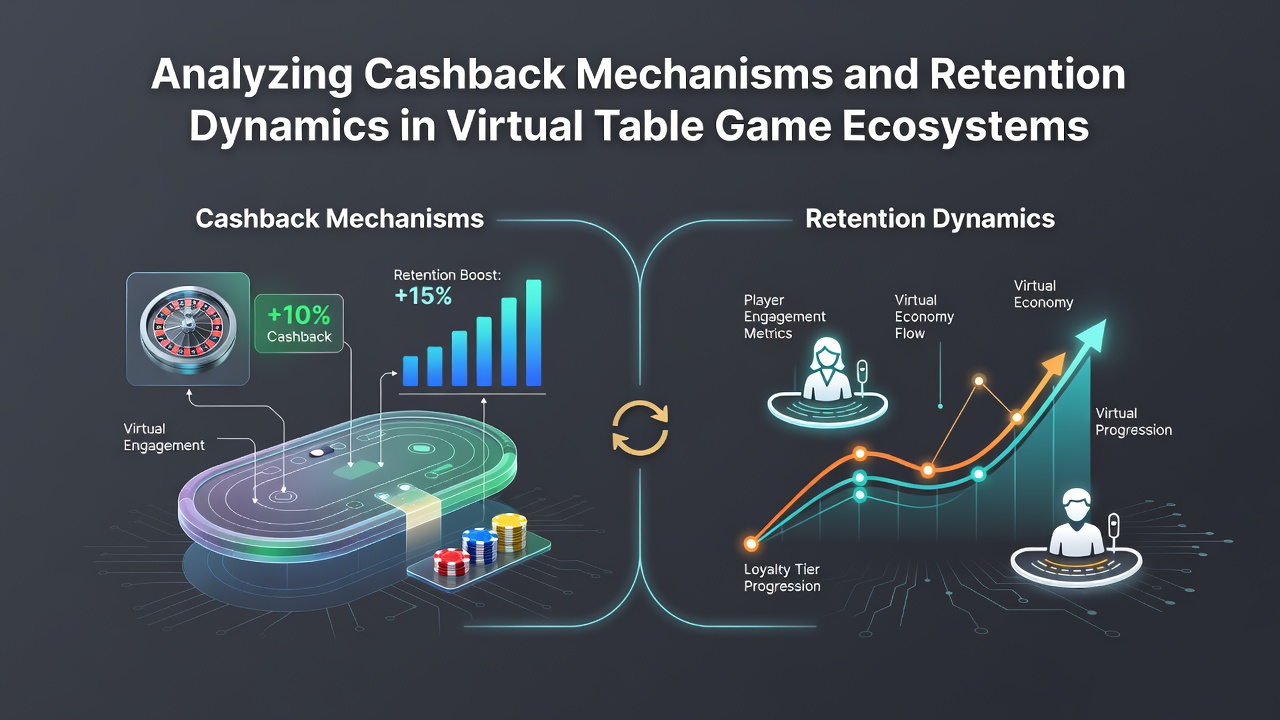
Virtual table game ecosystems encompass online versions of blackjack, roulette, baccarat, and poker where operators deploy cashback mechanisms to manage player activity and platform stability. These systems return a percentage of losses to users as credits or direct refunds, while retention dynamics track how such incentives influence session length, deposit frequency, and long-term account activity.
Core Components of Cashback Structures
Cashback programs operate through tiered percentages that scale with weekly or monthly loss totals, often ranging from 5 percent to 25 percent depending on player volume and game type. Operators calculate refunds based on net losses after wins, then credit amounts to player accounts within set timeframes such as 24 hours or the start of the following week. Data from platform analytics shows that blackjack tables generate higher cashback eligibility rates than roulette because of lower house edges and longer average session durations.
Program rules frequently include wagering requirements on refunded amounts, requiring players to stake the cashback multiple times before withdrawal eligibility. Industry reports indicate these thresholds typically sit between 10x and 30x, with variations tied to specific table games and regional licensing conditions. Automated tracking software monitors individual play patterns to adjust cashback levels dynamically, preventing overuse while maintaining consistent user engagement across multiple sessions.
Retention Metrics and Behavioral Patterns
Retention dynamics measure repeat visits, deposit intervals, and churn rates within virtual table environments. Platforms record metrics such as days between logins, average bet sizes per session, and progression through loyalty tiers that unlock enhanced cashback rates. Observers note that players receiving regular cashback maintain accounts active for periods averaging 45 percent longer than those without such incentives, according to aggregated platform data.
Geographic and Regulatory Influences
Regulatory frameworks in different regions shape how cashback operates. The Nevada Gaming Control Board requires transparent reporting of all promotional refunds, while Canadian provincial authorities such as the Alcohol and Gaming Commission of Ontario mandate clear disclosure of cashback terms before player enrollment. These standards ensure cashback calculations remain auditable and prevent misleading promotions that could distort player expectations.
Research from the University of Nevada Reno's gaming studies department has examined how cashback interacts with table game volatility. Their findings reveal that higher cashback percentages correlate with increased play on lower-volatility games like baccarat, whereas roulette players respond more strongly to tiered loyalty multipliers that compound refunds over consecutive weeks.
Integration With Broader Loyalty Frameworks
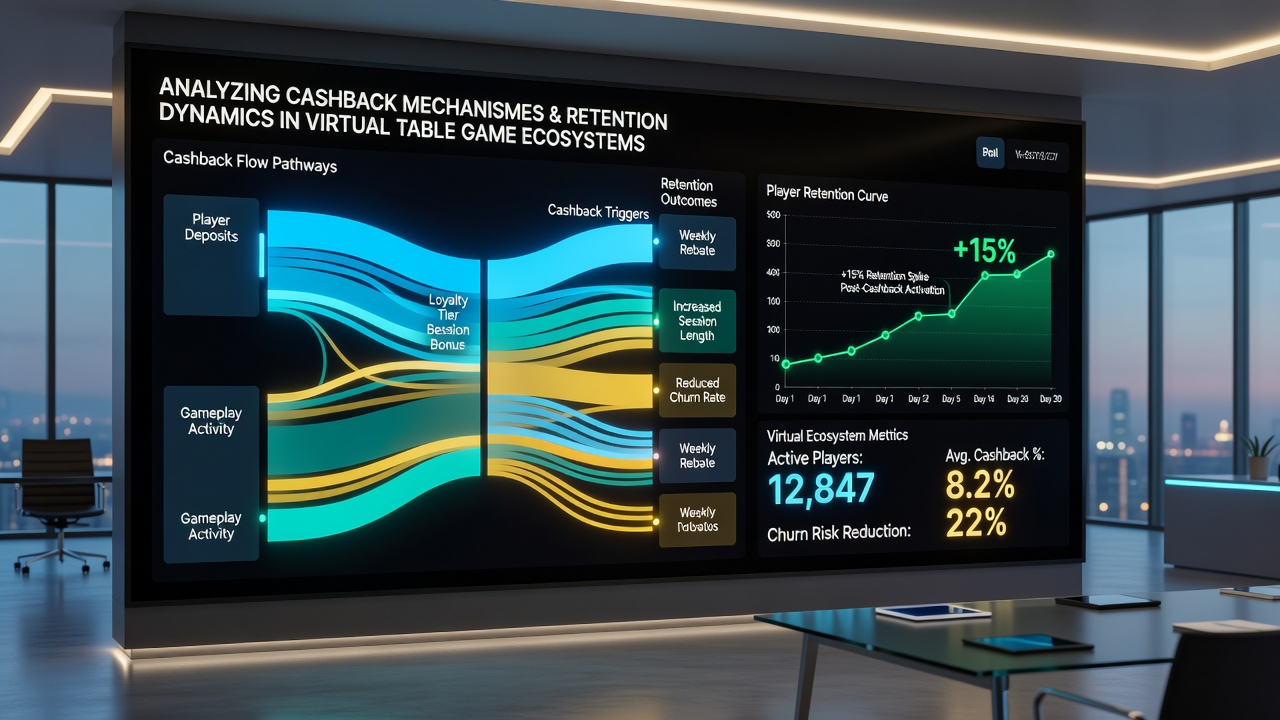
Cashback rarely functions in isolation. Platforms combine it with point-based systems where accumulated activity converts into additional refunds or exclusive table access. July 2026 saw several major operators adjust these combined structures ahead of seasonal traffic increases, raising base cashback rates on select blackjack variants while tightening redemption windows on roulette refunds. The adjustments aimed to balance payout liabilities with sustained user participation during peak periods.
External analyses from the American Gaming Association document how such integrations affect overall platform economics. Their quarterly reviews show cashback participants generate 18 percent higher lifetime value on average, driven by more frequent smaller deposits rather than occasional large ones. This pattern holds across multiple table game categories, though poker ecosystems display distinct behaviors where cashback often ties to tournament entry rather than ring game losses.
Technical Implementation and Fraud Controls
Modern platforms employ real-time algorithms that detect unusual loss patterns suggestive of bonus abuse. These systems flag accounts attempting to cycle funds across multiple tables to inflate cashback eligibility, then apply temporary holds or adjusted rates. Security protocols also limit cashback claims to verified payment methods, reducing risks associated with chargebacks and account sharing.
European operators following guidelines from the European Gaming and Betting Association have standardized reporting formats for cashback liabilities. This consistency allows cross-platform comparisons of retention effectiveness and highlights which table game categories benefit most from refund incentives. Data aggregation across jurisdictions shows virtual blackjack environments retain users through cashback at higher rates than baccarat or poker during off-peak months.
Conclusion
Cashback mechanisms and retention dynamics in virtual table game ecosystems function through interconnected rules, calculations, and behavioral tracking systems. Regulatory oversight from bodies like the Nevada Gaming Control Board and the Alcohol and Gaming Commission of Ontario shapes program design, while academic research and industry reports provide measurable insights into player responses. These elements combine to create structured environments where operators manage both short-term refunds and longer-term account activity through data-driven adjustments and technical safeguards.