Achievement Unlocks: Tracing the Impact of Goal-Oriented Offers on Player Routines in Digital Betting
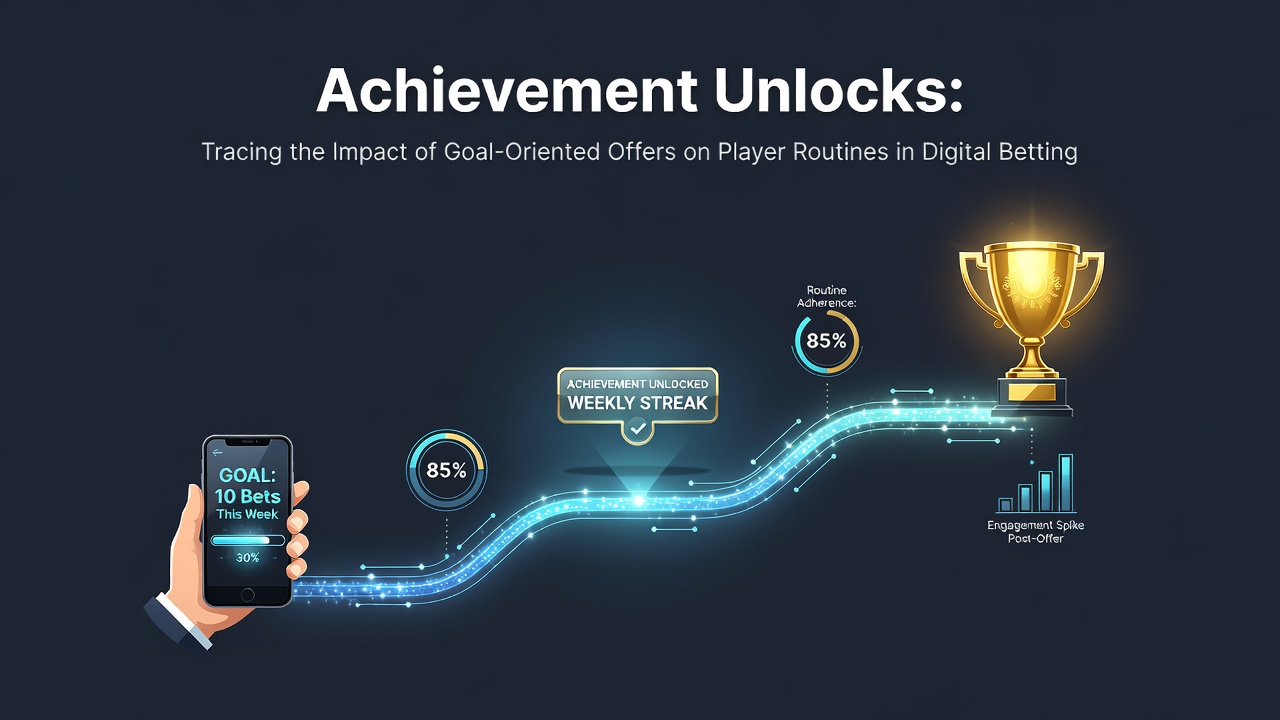
Digital betting platforms have integrated goal-oriented offers that function much like video game achievements, complete with milestones, streaks, and tiered rewards designed to shape how participants interact with their apps over time. These systems present users with specific targets such as placing a set number of wagers within a week or maintaining activity across consecutive days, and completion unlocks credits, free spins, or boosted odds that tie directly into routine patterns. Observers note that such mechanics emerged prominently as mobile apps expanded their feature sets around 2023, and by June 2026 many operators had refined these elements into layered programs that track progress through visual meters and notification prompts.
How Goal Structures Operate in Practice
Operators deploy these offers through a combination of daily login requirements, cumulative stake thresholds, and event-specific challenges that reset on weekly or monthly cycles. A player might receive notification of a streak bonus after logging in for five straight days, while another system tracks total bets placed during a sports season and grants escalating rewards at predefined levels. Data from industry reports indicate that these features often appear alongside standard welcome bonuses, yet they differ because they require ongoing engagement rather than one-time deposits. Researchers at institutions like the University of Nevada, Las Vegas have examined similar gamification elements in controlled studies, finding measurable shifts in session frequency when progress visuals remain visible on screen.
Platforms segment users by activity history so that newer participants see simpler entry-level goals while established ones encounter advanced challenges involving higher stakes or specialized bet types. This segmentation allows the same app to serve multiple routine profiles without altering core mechanics. In June 2026, several major operators updated their interfaces to include cross-category achievements that blend sports betting with casino games, creating pathways where completing a football accumulator unlocks spins on a slot title. Such integration keeps routines varied and reduces the chance that users settle into repetitive single-game patterns.
Observed Changes in Daily and Weekly Engagement
Usage analytics shared by platform providers reveal that participants who interact with achievement systems tend to open apps more consistently throughout the week rather than clustering activity around major events. One analysis covering North American markets showed average session counts rising when milestone trackers displayed real-time progress bars. These systems also encourage smaller, repeated actions because many goals reward frequency over size, prompting users to spread wagers across multiple days instead of concentrating them in single sittings.
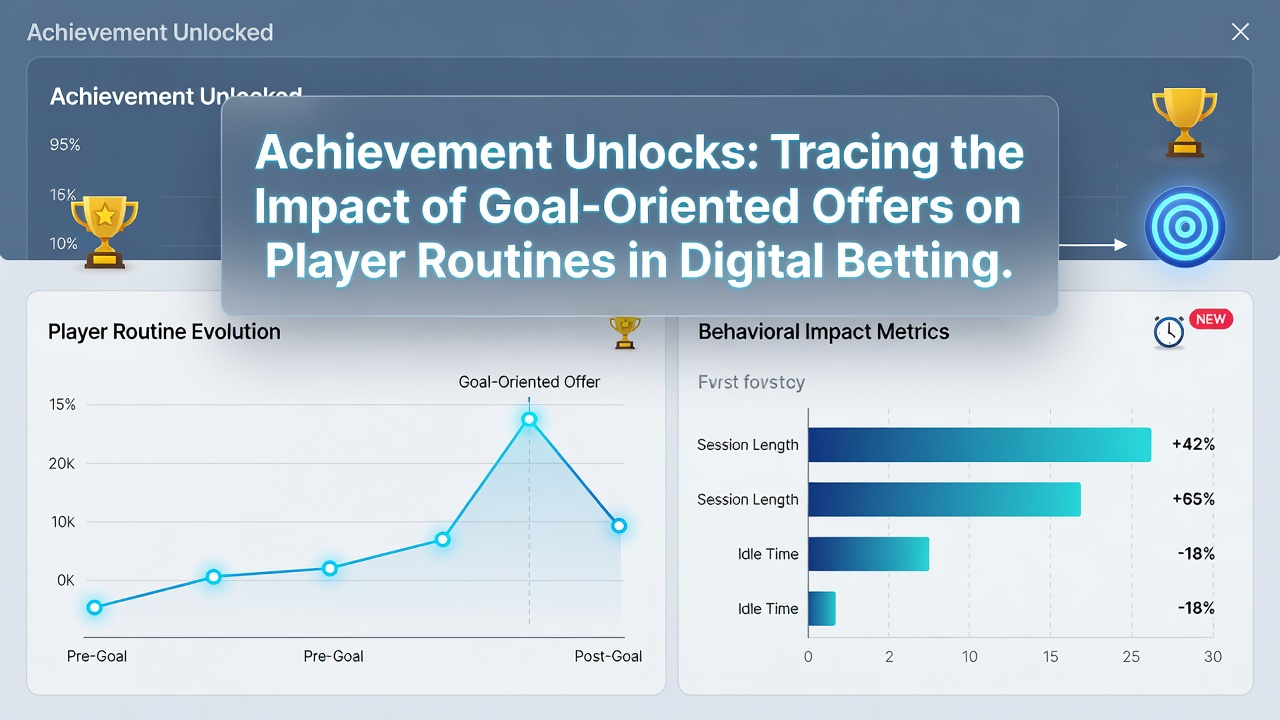
European data collected through regulatory filings points to similar trends, where operators report higher retention metrics among users enrolled in tiered loyalty programs that incorporate achievement layers. The Australian Department of Social Services has published aggregate figures on digital gambling participation that align with these observations, noting increased regularity in account activity following the rollout of structured reward paths. Participants often describe routines that incorporate checking progress notifications during commutes or lunch breaks, turning what might have been occasional evening sessions into distributed daily touchpoints.
Regional Variations and Platform Adaptations
North American operators have leaned heavily into sports-tied achievements that align with league calendars, whereas platforms serving Asian markets frequently emphasize casino-based challenges with rapid reset timers. Canadian provincial regulators track these features through licensing data, and reports indicate that goal-oriented offers appear more frequently in provinces where online sportsbooks expanded after 2022. Meanwhile, operators in Australia have adapted similar systems to comply with local advertising rules by framing rewards around responsible play milestones rather than pure volume targets.
Technical implementations vary as well. Some apps use push notifications tied to near-completion achievements to prompt immediate action, while others rely on in-app pop-ups that appear only during active sessions. A report from the American Gaming Association highlighted how these design choices influence peak activity windows, with notification-heavy approaches producing more fragmented daily routines compared to session-based prompts. Observers tracking June 2026 updates note that several platforms introduced social sharing options for unlocked achievements, allowing users to broadcast milestones within small groups and potentially reinforcing communal routine elements.
Measurement Challenges and Available Data
Quantifying the precise effect of goal-oriented offers remains difficult because operators rarely release granular user-level datasets. Aggregate reports from trade associations and academic partnerships provide the clearest available signals, yet they often combine multiple incentive types. Studies conducted through partnerships with the University of Sydney have attempted to isolate achievement mechanics by comparing matched user cohorts, revealing modest but consistent increases in login regularity when visual progress indicators remain active. These findings match patterns described in filings from multiple licensing jurisdictions outside the UK, where operators must disclose retention statistics tied to promotional structures.
Longer-term tracking shows that some users maintain elevated engagement for several months after initial exposure to achievement systems, while others revert to baseline patterns once novelty fades. Platform operators respond by refreshing challenge libraries seasonally, introducing new categories that align with upcoming sporting calendars or game releases. This cycle of updates helps sustain routine adjustments without requiring constant escalation of reward values.
Conclusion
Goal-oriented offers have become a standard component of digital betting interfaces by June 2026, reshaping how participants distribute their activity across days and weeks through structured milestones and visible progress tracking. Available data from regulatory filings, industry associations, and academic studies indicate consistent effects on login frequency and session distribution, although the magnitude varies by region and implementation style. As platforms continue refining these systems, the routines they influence will likely remain a central area of observation for both operators and external researchers monitoring digital betting engagement patterns.